What’s the difference between a dog park and a dog agility course?
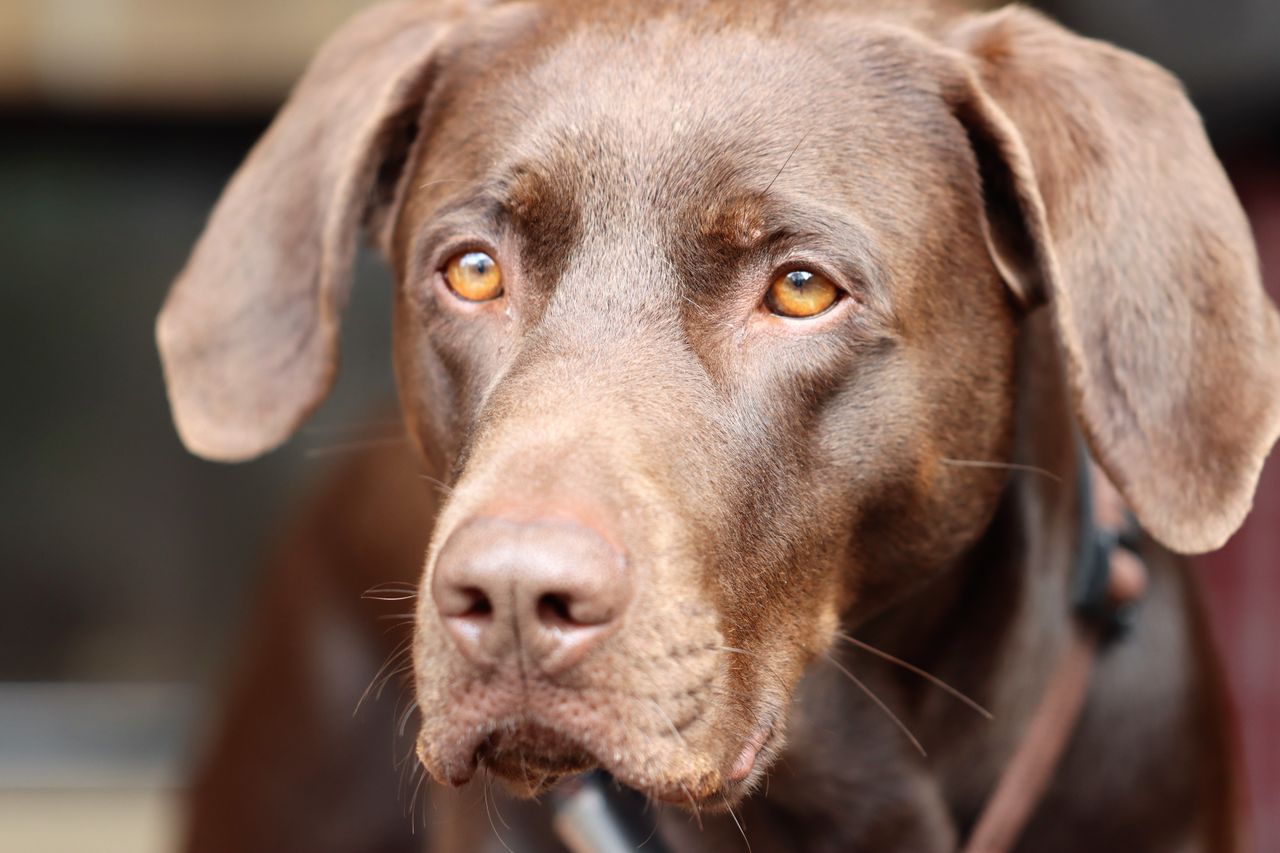
A dog park is more than just a fenced-in patch of grass
Most dog parks are simply a fenced lawn. Dogs can run, walk and play, then head home with their owners. A park with agility equipment is something else entirely: it’s a place where people come to train their dogs and spend dedicated time with them.

So what’s the difference between a dog park and an agility park?
A dog park is an enclosed area where dogs can move freely off the lead. An agility park is a dog park with added obstacles – jumps, weave poles, dog walks and tunnels – that give dogs and their owners a clear activity to focus on. Dogs get the exercise they need, owners spend time there regularly, and the area becomes a natural meeting place for the local community.

How much space do you need?
The space required depends on the equipment itself. The beam is 10.5 metres long, a agility slalom posts with 12 poles is 7 metres, and the A-slope is 4.15 metres long and 1.7 metres high. For each piece of equipment, you also need to allow clear space at both ends where the dog runs in and comes out again.
A full course therefore needs a couple of hundred square metres. A smaller area can fit 4–5 training obstacles, and that’s more than enough.
Where to start? The 5 key pieces of equipment
If your budget allows for five products, these will cover the core of agility training:
- Jumping obstacle – the easiest to understand, suitable for beginners too
- Agility slalom posts – takes good handling, not strength
- Tunnel – builds confidence, and it’s the one children love watching most
- Agility see-saw – balance and focus
- Platform for bigger dogs – the base for obedience exercises and a place to take a break
Later on, you can add items such as a ring, a agility suspension bridge and an jumping track.


Do large and small dogs need separate areas?
Yes, if there’s room. A Chihuahua and a Rottweiler don’t play the same way, and owners know it – a separate small-dog area with its own gate is the reason some people come at all.
If there isn’t space for a separate area, choosing the right equipment size already helps. There are two pause tables: one platform for bigger dogs measuring 1.2 × 1.2 × 0.6 m, and one platform for smaller dogs measuring 0.9 × 0.9 × 0.35 m.

Four things people forget
Double gate. A small entry corridor with two gates stops dogs from dashing out as someone comes in. Without one, some owners won’t dare to let their dog off the lead at all.
Dog station. A 34-litre litter bin with a bag dispenser. Without it, the area becomes unusable within a month and the neighbours start complaining.
A bench for owners. The dog runs, the owner stands. A single bench can double the length of every visit.
Fencing and water. Fences are usually 1.2–1.8 m high, depending on how big the expected dogs are. A water point in summer is what gets people recommending the area to others.
Dog parking – equipment beyond the dog park
Dog parking lot is a lead-tie post for outside a shop, library or office entrance. It’s an affordable product that takes up less space than a single bike rack and solves an everyday problem: where to leave your dog when you pop in somewhere for five minutes.

Frequently asked questions
What is an agility park?
An enclosed area for dogs fitted with obstacles – jumping obstacle, slalom posts, a beam, a tunnel and a see-saw – that let dogs train and stay active.
How much equipment does a dog park need?
Four or five pieces are more than enough to start with. A full course needs roughly a couple of hundred square metres.
Is agility equipment suitable for every dog?
The core equipment suits most healthy adult dogs. For puppies and older dogs, low platform and the tunnel are a better fit than high jumps.
What else does a dog park need besides equipment?
A fence, ideally a double gate, a litter bin with a bag dispenser, a bench for owners and a water point in summer.
Are there separate solutions for large and small dogs?
Yes. The platforms come in two sizes, and we recommend a separate area – or at least a separately gated section – for small dogs.
View all dog park products · Use the 3D Planner to lay out your area.
Our news and stories
- Blog
What’s the difference between a dog park and a dog agility course?
A dog park is more than just a fenced-in patch of grass Most dog parks […]
Nov 1, 20265 min read  Blog
Outdoor space: your property’s best selling point
The clearest trend of recent years is that a property no longer begins with the […]
Oct 1, 20265 min read